
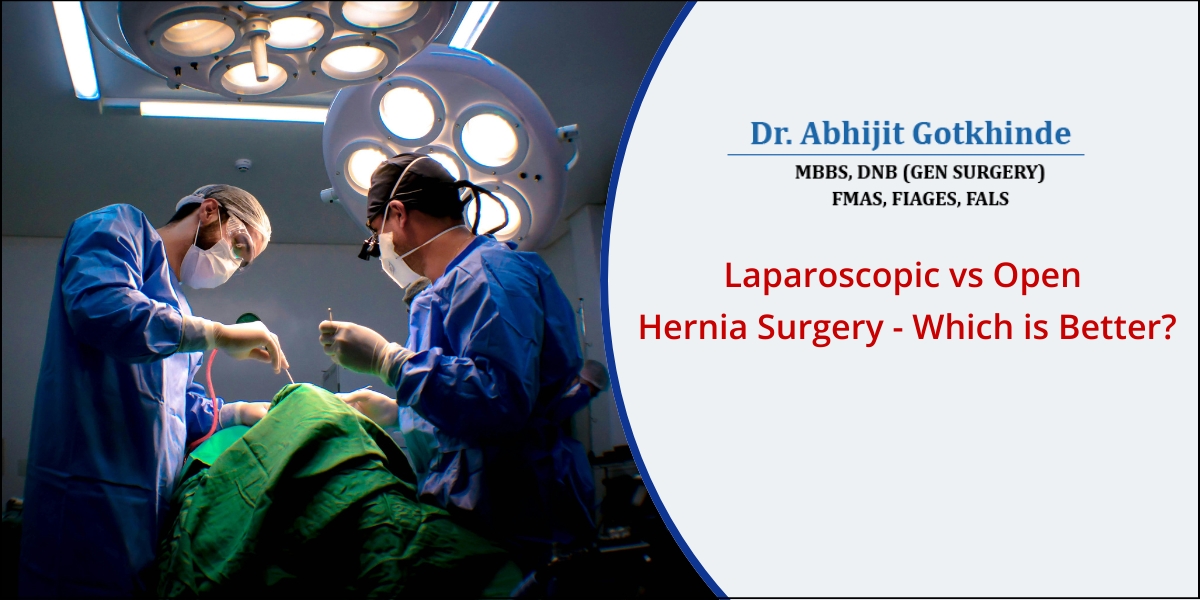
Laparoscopic vs Open Hernia Surgery: Which is Better?
A hernia occurs when an internal organ or fatty tissue pushes through a weak spot in the surrounding muscle or connective tissue. It can cause pain, discomfort, and a noticeable bulge, especially while lifting heavy objects, coughing, or standing for long periods.
Fortunately, hernia surgery is highly successful. However, many patients wonder whether they should choose laparoscopic hernia surgery or open hernia surgery. Understanding the differences can help you make an informed decision along with your surgeon.
What is Open Hernia Surgery?
Open hernia surgery is the traditional method of repairing a hernia. During this procedure, the surgeon makes a single incision directly over the hernia, pushes the protruding tissue back into place, and strengthens the weakened area using stitches, a surgical mesh, or both.
Advantages of Open Hernia Surgery
- Suitable for large or complicated hernias
- Often preferred for emergency hernia repairs
- Can be performed under local, spinal, or general anesthesia
- Well-established procedure with excellent long-term outcomes
Limitations
- Larger incision
- More post-operative discomfort
- Longer recovery period
- Slightly higher risk of wound infection
What is Laparoscopic Hernia Surgery?
Laparoscopic hernia surgery is a minimally invasive procedure. Instead of one large cut, the surgeon makes three or four small incisions and inserts a tiny camera (laparoscope) along with specialized instruments to repair the hernia from inside the abdomen.
Benefits of Laparoscopic Hernia Surgery
- Smaller scars
- Less pain after surgery
- Faster recovery
- Shorter hospital stay
- Lower risk of wound infection
- Earlier return to work and daily activities
This technique is especially beneficial for patients with bilateral (both sides) hernias or recurrent hernias.
Which Surgery is Better?
There is no single “best” surgery for everyone. The ideal approach depends on several factors, including:
- Type and size of the hernia
- Patient’s age
- Overall health
- Previous abdominal surgeries
- Whether the hernia is recurrent
- Surgeon’s experience
For many patients, laparoscopic surgery offers faster recovery and less pain. However, open surgery remains an excellent option for complex cases or when minimally invasive surgery is not suitable.
Your surgeon will recommend the safest and most effective treatment based on your individual condition.
Recovery After Hernia Surgery
Whether you undergo laparoscopic or open surgery, following your surgeon’s instructions is essential for smooth healing.
Tips for Faster Recovery
- Walk gently within 24 hours if advised.
- Avoid heavy lifting for several weeks.
- Eat a high-fiber diet to prevent constipation.
- Drink plenty of water.
- Take prescribed medications on time.
- Attend all follow-up appointments.
Most patients who undergo laparoscopic surgery return to routine activities within one to two weeks, while recovery after open surgery may take three to six weeks.
Is Robotic Hernia Surgery an Even Better Option?
Robotic-assisted hernia surgery is one of the latest advancements in minimally invasive surgery. It offers enhanced precision, improved visualization, and greater flexibility for the surgeon, which may lead to less pain and quicker recovery in selected patients.
When Should You See a Doctor?
Do not ignore symptoms such as:
- A bulge in the abdomen or groin
- Pain while lifting or coughing
- Swelling that increases over time
- Persistent discomfort
- Sudden severe pain, vomiting, or inability to push the hernia back (medical emergency)
Early treatment can prevent complications and make surgery simpler.
Why Choose Dr. Abhijit Gotkhinde?
If you’re looking for advanced hernia treatment, Dr. Abhijit Gotkhinde – Robotic Hernia Surgeon in Pune provides comprehensive evaluation and personalized treatment using the latest laparoscopic and robotic surgical techniques. With a patient-focused approach, modern technology, and extensive expertise in minimally invasive surgery, Dr. Gotkhinde aims to help patients recover faster, experience less discomfort, and return to their normal lives with confidence.