
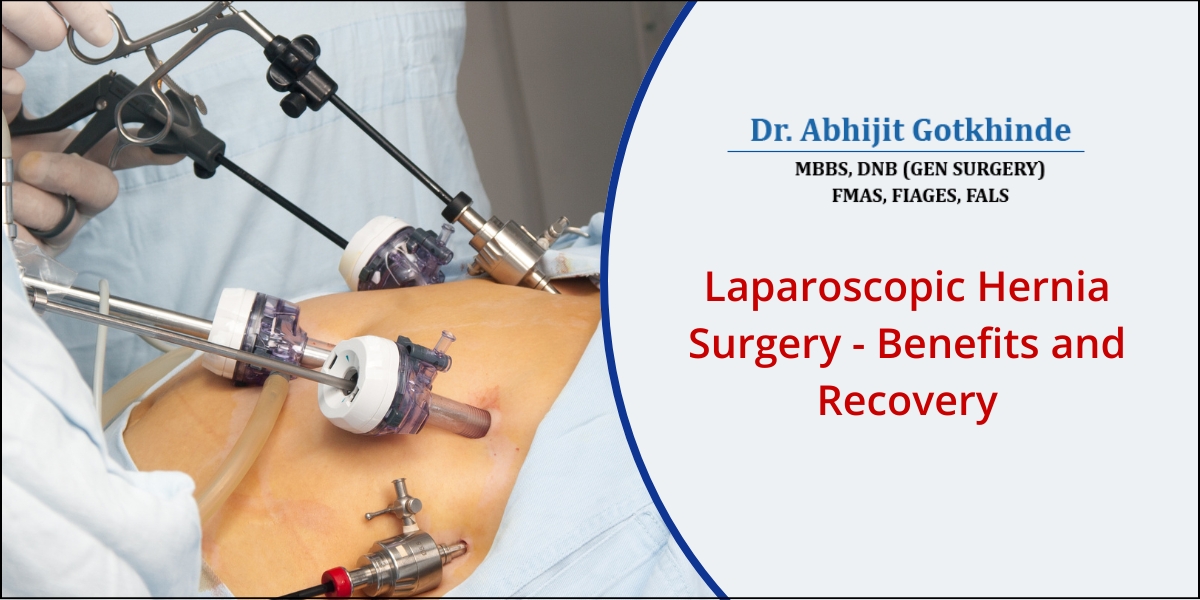
A hernia occurs when an internal organ or tissue pushes through a weakened area of muscle or connective tissue, often causing discomfort, pain, and limitations in daily activities. While hernias do not heal on their own, modern surgical techniques have made treatment safer and more effective than ever before. Among these advancements, laparoscopic hernia surgery has emerged as a preferred option for many patients due to its minimally invasive nature, faster recovery, and reduced post-operative discomfort.
What Is Laparoscopic Hernia Surgery?
Laparoscopic hernia surgery is a minimally invasive procedure that involves repairing the hernia through small incisions using a laparoscope—a thin tube equipped with a camera and specialized surgical instruments.
Unlike traditional open surgery, laparoscopic surgery provides surgeons with a magnified view of the affected area, enabling precise repair while minimizing damage to surrounding tissues.
Common Types of Hernias Treated Laparoscopically
- Inguinal Hernia (Groin Hernia)
- Umbilical Hernia
- Incisional Hernia
- Femoral Hernia
- Recurrent Hernia
Benefits of Laparoscopic Hernia Surgery
1. Smaller Incisions and Minimal Scarring
One of the most significant advantages of laparoscopic surgery is the use of small incisions. This results in less visible scarring and better cosmetic outcomes compared to traditional surgery.
2. Reduced Post-Operative Pain
Because the procedure causes less tissue trauma, patients typically experience lower levels of pain after surgery. This often reduces the need for prolonged pain medication.
3. Faster Recovery
Patients undergoing laparoscopic hernia repair generally return to their normal routines sooner than those who undergo open surgery. Many individuals resume light activities within a few days.
4. Lower Risk of Infection
Smaller incisions mean reduced exposure of internal tissues, which can contribute to a lower risk of surgical site infections.
5. Shorter Hospital Stay
In many cases, laparoscopic hernia surgery is performed as a day-care procedure, allowing patients to return home on the same day.
6. Better Visualization for Complex Cases
The laparoscope provides high-definition magnified images, enabling surgeons to accurately identify and repair hernias, especially recurrent or bilateral hernias.
Recovery After Laparoscopic Hernia Surgery
Recovery varies from person to person, but most patients experience a smooth healing process.
First 24–48 Hours
- Mild discomfort and swelling are common.
- Walking is encouraged to improve circulation.
- Adequate hydration and light meals are recommended.
First Week
- Most patients can perform light household activities.
- Driving may be resumed if pain is minimal and medications do not impair alertness.
Two to Four Weeks
- Gradual return to work, depending on the nature of the job.
- Increased mobility and reduced discomfort.
Four to Six Weeks
- Most patients can resume exercise and heavier activities after medical clearance.
Practical Tips for a Smooth Recovery
Follow Your Surgeon’s Instructions
Always adhere to post-operative guidelines provided by your surgeon to promote proper healing.
Stay Active, But Avoid Strain
Gentle walking supports circulation and recovery, but avoid lifting heavy objects during the initial healing period.
Maintain a Healthy Diet
Include fiber-rich foods, fruits, vegetables, and adequate fluids to prevent constipation, which can strain the surgical site.
Keep Incisions Clean
Follow wound-care instructions carefully to reduce the risk of infection.
Attend Follow-Up Visits
Regular follow-up appointments allow your surgeon to monitor recovery and address any concerns promptly.
Why Choose an Experienced Hernia Specialist?
The success of hernia surgery depends not only on the surgical technique but also on the expertise of the surgeon. Choosing an experienced Hernia Specialist ensures accurate diagnosis, personalized treatment planning, and comprehensive post-operative care.
If you are experiencing symptoms of a hernia or are considering Hernia Surgery in Pune, schedule a consultation with Dr. Abhijit Gotkhinde – Hernia Surgeon in Pune. As a trusted Hernia Specialist in Pune, he offers advanced laparoscopic hernia treatment tailored to your individual needs. Early diagnosis and timely treatment can help you return to a healthier, more active life.


