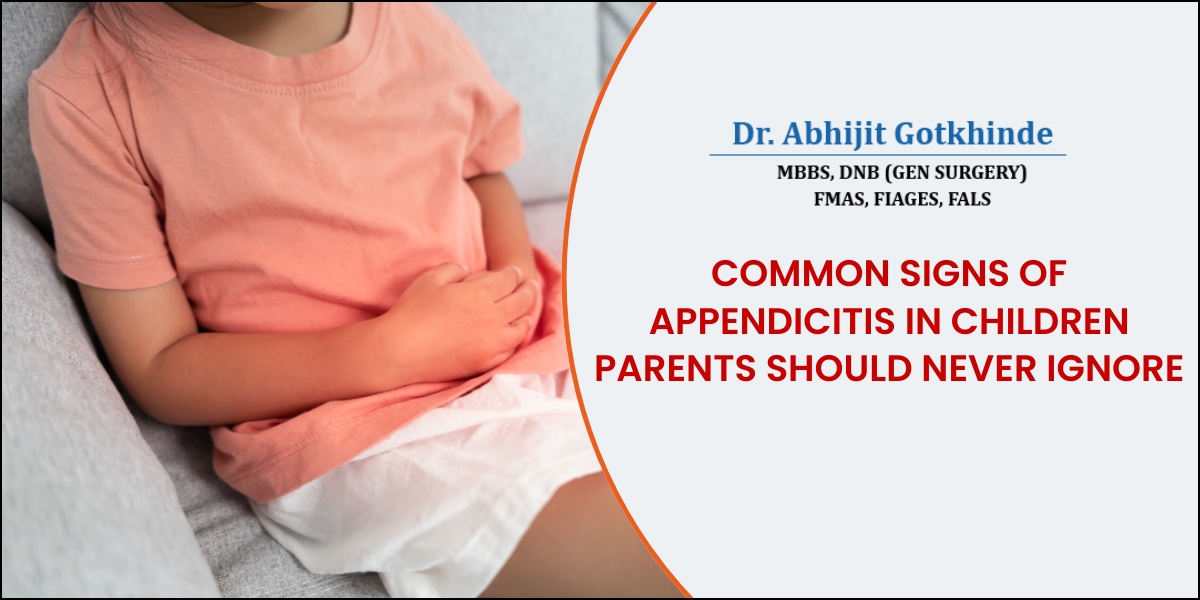
Appendicitis Warning Signs in Children That Require Immediate Attention
Appendicitis, the inflammation of the appendix, is a common pediatric surgical emergency. For parents, understanding and recognizing its early signs can be the difference between a routine procedure and a serious, life-threatening complication. Unlike adults, children—especially younger ones—can deteriorate rapidly, and their symptoms are often vague and easily mistaken for common stomach bugs. This guide will walk you through the crucial, early signs of appendicitis in children, empowering you to take timely action.
Understanding Appendicitis in Children
The appendix is a small, finger-shaped pouch attached to the large intestine. When it becomes blocked by stool, a foreign body, or infection, it can become inflamed and infected. If not treated promptly, it can rupture (burst), spreading infection throughout the abdomen—a condition called peritonitis, which is far more dangerous and requires a longer recovery. This is why early recognition is so critical.
Early Signs & Symptoms Parents Must Watch For
Children may not be able to articulate their pain clearly. Look for these early warning signs, which often appear in sequence:
-
Abdominal Pain That Migrates: This is the hallmark sign. The pain often starts around the belly button. Within hours, it typically shifts to the lower right side of the abdomen. Ask your child to point with one finger where it hurts the most.
-
Fever and Chills: A low-grade fever (99-100.5°F) that gradually worsens is common. A sudden high fever may indicate a rupture.
-
Loss of Apparent and Nausea/Vomiting: Your child will likely refuse their favorite foods. Vomiting usually follows the start of abdominal pain, unlike stomach flu where vomiting often comes first.
-
Changes in Behavior: Young children may become unusually quiet, lethargic, irritable, or assume a curled-up position to relieve pain. They may also walk gingerly or refuse to jump.
-
Digestive Changes: Look for either constipation or diarrhea. A key sign is rebound tenderness—when gentle pressure on the lower right belly is released, the pain feels sharper.
Important Note: In toddlers and younger children, symptoms can be non-specific—fussiness, drawing knees to chest, and a swollen abdomen may be the only clues.
What to Do If You Suspect Appendicitis
-
Do Not give your child laxatives, pain medication, or apply a heating pad to the stomach, as these can worsen the situation.
-
Contact your pediatrician or family doctor immediately to describe the symptoms.
-
Go to the Emergency Room (ER) if the pain is severe, worsening, or if you cannot reach your doctor. Diagnosis usually involves a physical exam, blood tests (to check for high white blood cell count), and often an ultrasound or CT scan.
Treatment: The Appendectomy
The standard treatment is an appendectomy—surgical removal of the appendix. This is often performed laparoscopically (using small incisions and a camera), leading to minimal scarring and a faster recovery. If the appendix has ruptured, surgery is more complex, requires IV antibiotics, and results in a longer hospital stay.
About Dr. Abhijit Gotkhinde – Appendicitis Specialist in Pune
For expert surgical care in Pune, consider consulting Dr. Abhijit Gotkhinde, a renowned laparoscopic/Robotic surgeon in Pune. Dr. Abhijit Gotkhinde specializes in the advanced laparoscopic management of appendicitis in children and adults. His expertise ensures precise diagnosis, minimally invasive surgery for faster recovery, and post-operative care.
FAQs on Appendicitis in Children
1. What are the first signs of appendicitis in a child?
The first signs often include vague belly button pain that moves to the lower right abdomen, loss of appetite, and a low-grade fever.
2. How do I check my child for appendicitis at home?
Gently press on the lower right part of their belly. If they experience sharp pain when you quickly release the pressure (rebound tenderness), it’s a red flag. Also, observe if they walk hunched over or refuse to jump.
3. Can a child’s appendicitis go away on its own?
No. Appendicitis is a surgical emergency. It requires medical treatment (usually surgery) and will not resolve without intervention. Delay can lead to a dangerous rupture.
4. What can be mistaken for appendicitis in kids?
Stomach flu, constipation, urinary tract infections (UTIs), mesenteric lymphadenitis (swollen abdominal lymph nodes), and in teenage girls, ovarian or menstrual issues can mimic appendicitis.
5. How long can a child have appendicitis before it bursts?
The timeline varies, but from the onset of symptoms, the risk of rupture increases significantly after about 48-72 hours. Early diagnosis within the first 24 hours is ideal.